
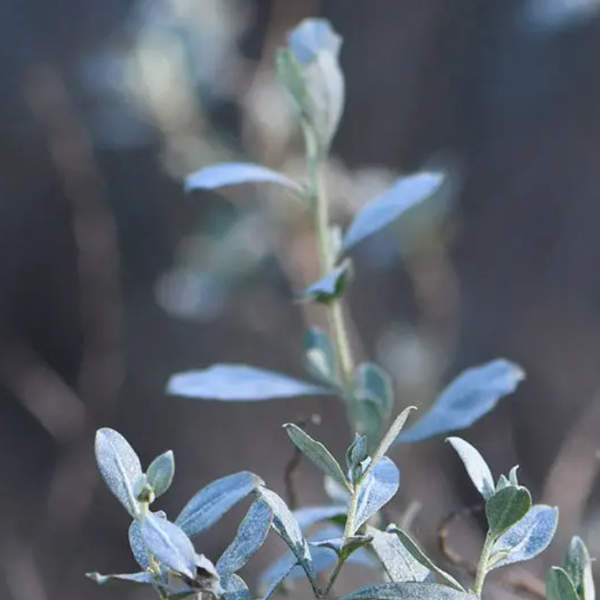
Pressed botanical specimens — the foundation of KuuSh's ingredient research

Botanical Knowledge

The Botanical Library

From the resilience of Australian native plants to the exquisite properties of botanicals found around the world, KuuSh explores the relationship between nature, cosmetic science and sensory pleasure.

Australian Botanicals

Native to this land

Australian Saltbush

Atriplex vesicaria

Australian Saltbush

Bladder Saltbush is a low-growing perennial shrub native to the arid and semi-arid plains of inland Australia, where it thrives in saline, alkaline and drought-prone soils that few plants can tolerate. Its distinctive silvery-grey foliage is coated in fine bladder-like cells that sequester salt drawn up from the soil — an extraordinary physiological adaptation that allows the plant to regulate water loss and persist through prolonged dry periods. KuuSh is drawn to Atriplex vesicaria as an expression of Australian botanical resilience: a plant shaped by one of the harshest landscapes on earth, carrying within its leaves a quiet complexity that reflects the continent's ancient and demanding conditions.

Kakadu Plum

Terminalia ferdinandiana

Kakadu Plum

Native to the woodlands of northern Australia, Kakadu Plum holds the distinction of being among the world's richest known plant sources of vitamin C. The fruit has been used by Aboriginal Australians for generations and is now recognised in cosmetic science for its antioxidant properties.

Quandong

Santalum acuminatum

Quandong

The desert peach of central Australia, quandong produces a vivid red fruit with a tart, complex flavour and a seed kernel rich in fatty acids. The oil extracted from the kernel is lightweight and absorbs readily, making it of interest as a carrier in cosmetic formulation.

Davidson Plum

Davidsonia jerseyana

Davidson Plum

A rainforest tree native to subtropical Queensland and New South Wales, Davidson Plum produces deep purple fruit with an exceptionally high anthocyanin content. These pigments are potent antioxidants and give the fruit its striking colour.

Mountain Pepperberry

Tasmannia lanceolata

Mountain Pepperberry

Grown in the cool, wet forests of southeastern Australia and Tasmania, mountain pepperberry is prized for its intense, complex flavour and its concentration of polygodial and other bioactive compounds. In cosmetic contexts, it is explored for its antioxidant and antimicrobial properties.

Native Finger Lime

Microcitrus australasica

Native Finger Lime

An extraordinary native citrus of the Australian rainforest, finger lime produces elongated fruit filled with caviar-like vesicles. The juice is rich in vitamin C and natural AHAs, and the fruit's unusual cellular structure has attracted interest in cosmetic formulation.

Lemon Myrtle

Backhousia citriodora

Lemon Myrtle

Native to subtropical Queensland, lemon myrtle is considered one of the world's most intensely lemon-scented plants. Its essential oil, dominated by citral, has demonstrated antimicrobial properties and is used in cosmetic formulation for both its fragrance and functional qualities.

Tasmanian Kunzea

Kunzea ambigua

Tasmanian Kunzea

A flowering shrub native to coastal and subalpine Tasmania, kunzea produces an essential oil with a fresh, complex aroma and a distinctive chemical profile. It is explored in cosmetic applications for its soothing and aromatic properties.

Wattle Seed

Acacia victoriae

Wattle Seed

Harvested from several species of Australian acacia, wattle seed has been a food source for Aboriginal Australians for thousands of years. The seed is rich in protein, fatty acids and minerals. In cosmetic formulation, wattle seed extracts are explored for their emollient and conditioning properties.

Desert Lime

Citrus glauca

Desert Lime

One of the most drought-tolerant citrus species in the world, desert lime grows across the arid interior of Australia. The small, intensely flavoured fruit is rich in vitamin C and flavonoids, and its extract is of interest in cosmetic science for its antioxidant profile.

Anise Myrtle

Syzygium anisatum

Anise Myrtle

A rainforest tree native to northern New South Wales, anise myrtle produces leaves with a distinctive sweet, anise-like aroma derived from a high concentration of anethole. The essential oil is used in cosmetic formulation for its fragrance and its potential antimicrobial properties.

Snowflower

Eupomatia laurina

Snowflower

A rare and ancient flowering plant of the Australian rainforest, snowflower is considered a living botanical relic. Its flowers are pollinated by weevils in a relationship that predates bees. The plant is of scientific interest for its unique phytochemical composition.

International Botanicals

From around the world

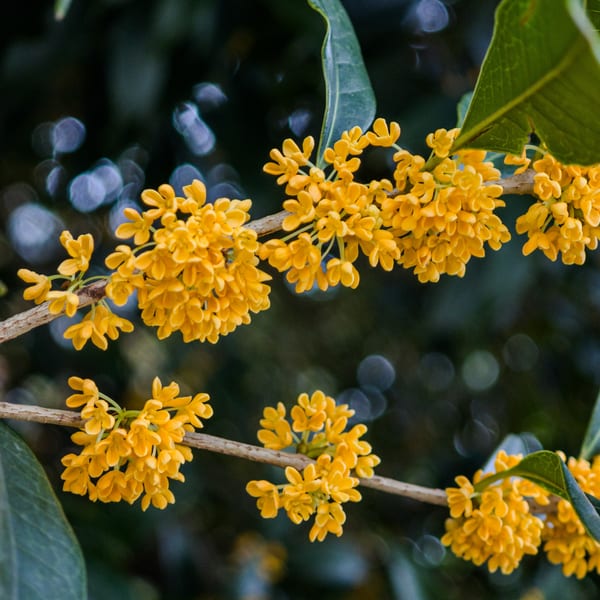
Osmanthus

Osmanthus fragrans

Osmanthus

Revered in Chinese culture for centuries, osmanthus produces small flowers with an extraordinary fragrance — simultaneously floral, fruity and apricot-like. The absolute is among the most prized in perfumery. In skincare, osmanthus extracts are explored for their antioxidant polyphenols.

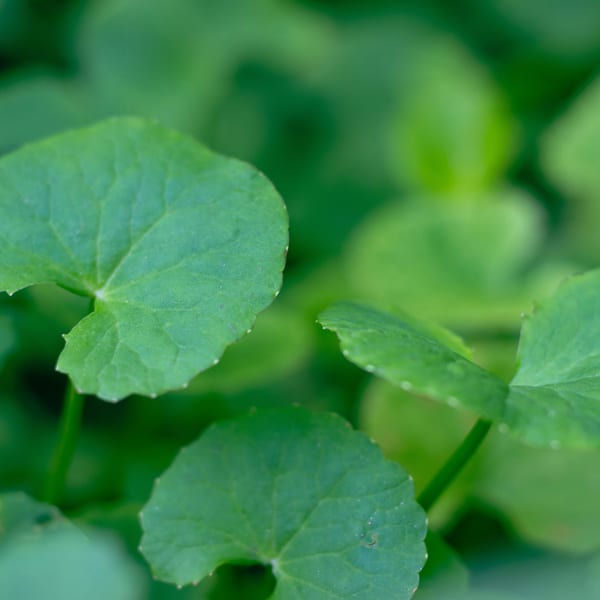
Centella Asiatica

Centella asiatica

Centella Asiatica

A small herbaceous plant with a long history of use in Ayurvedic and traditional Chinese medicine, centella asiatica is one of the most thoroughly researched botanicals in cosmetic science. Its key compounds — asiaticoside, madecassoside and asiatic acid — are studied for their role in supporting skin recovery and barrier integrity.

Babchi

Psoralea corylifolia

Babchi

Babchi seed is the natural source of bakuchiol, a meroterpene phenol that has attracted significant scientific interest as a plant-derived alternative to retinol. Unlike retinol, bakuchiol is not photosensitising and is generally considered well-tolerated, making it of interest for a broad range of skin types.

Blue Tansy

Tanacetum annuum

Blue Tansy

Distilled from the flowers of an annual plant native to Morocco, blue tansy essential oil is immediately recognisable for its deep, vivid blue colour — the result of chamazulene formed during steam distillation. It is used in cosmetic formulation for its aromatic properties and its potential to soothe sensitised skin.

Sea Buckthorn

Hippophae rhamnoides

Sea Buckthorn

A thorny shrub native to the coastal and mountainous regions of Europe and Asia, sea buckthorn produces small, intensely orange berries with an exceptional nutrient density. The seed and pulp oils are among the richest plant sources of omega-7 fatty acids and carotenoids.

Tremella Mushroom

Tremella fuciformis

Tremella Mushroom

Known as the snow mushroom or silver ear fungus, tremella has been used in traditional Chinese medicine and cuisine for centuries. Its polysaccharides have a remarkable capacity to bind water — comparable in some studies to hyaluronic acid — making it of considerable interest in cosmetic hydration science.

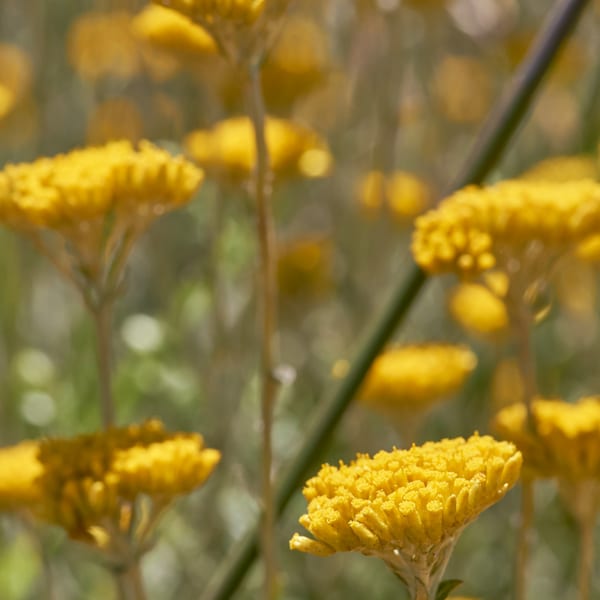
Immortelle

Helichrysum italicum

Immortelle

Named for the flowers that retain their colour and form long after drying, immortelle grows wild across the rocky Mediterranean coastline. The essential oil, steam-distilled from the flowering tops, is among the most complex in botanical perfumery and is studied for its antioxidant and skin-conditioning properties.

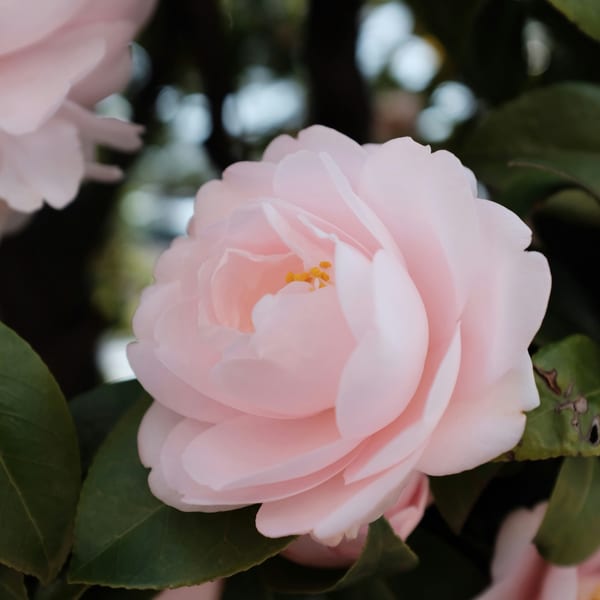
Camellia

Camellia japonica

Camellia

Among the most celebrated flowering plants in East Asian culture, Camellia japonica has been cultivated for over a thousand years for both its exquisite blooms and the oil cold-pressed from its seeds. The flowers — layered, luminous and long-lasting — have made the camellia a symbol of refinement in Japanese and Chinese tradition. The seed oil, a distinct product of the plant, has been used in Japanese beauty rituals for centuries, prized for its light texture, high oleic acid content and exceptional stability. KuuSh draws on both the botanical heritage of the flower and the proven qualities of the seed oil, sourcing from small-scale producers who cultivate camellia with the same care the plant has always demanded.

Prickly Pear

Opuntia ficus-indica

Prickly Pear

The seed oil of the prickly pear cactus, cold-pressed from tiny seeds that make up a fraction of the fruit's weight, is one of the most labour-intensive botanical oils to produce. It is exceptionally rich in linoleic acid and vitamin E, and is valued in cosmetic formulation for its light texture and antioxidant profile.

Meadowfoam

Limnanthes alba

Meadowfoam

Native to the Pacific Northwest of North America, meadowfoam produces seeds with an unusual fatty acid profile — dominated by very long-chain fatty acids not commonly found in other plant oils. The resulting oil is exceptionally stable and has a distinctive, silky texture that makes it useful in cosmetic formulation.

Pomegranate

Punica granatum

Pomegranate

Cultivated across the Mediterranean, Middle East and South Asia for thousands of years, pomegranate seed oil is cold-pressed from the seeds of the fruit. It is the only known plant source of punicic acid, a conjugated fatty acid that has attracted scientific interest for its antioxidant properties.

Marula

Sclerocarya birrea

Marula

Harvested from the fruit of a tree native to the miombo woodlands and savanna of southern Africa, marula oil has been used by local communities for generations to condition skin and hair. Cold-pressed from the kernel, it is rich in oleic acid and absorbs quickly, leaving a dry, non-greasy finish.

Calendula

Calendula officinalis

Calendula

One of the most enduring botanicals in skincare tradition, calendula has been cultivated and treasured for centuries. Its vivid golden-orange petals yield an extract rich in flavonoids and triterpenoids, long associated with soothing and calming properties. KuuSh sources calendula from certified organic growers, where the flowers are harvested at peak bloom and gently processed to preserve their delicate constituents.

Arnica

Arnica montana

Arnica

A distinctive golden flower of European alpine meadows, arnica has a long and well-documented history in topical botanical preparations. Its bright yellow ray florets contain sesquiterpene lactones and flavonoids that have attracted sustained scientific interest. KuuSh uses arnica extract sourced from sustainably managed mountain habitats, where the plant grows slowly and is harvested with care for the fragile ecosystems it inhabits.

Rose

Rosa damascena

Rose

The Damask rose has been cultivated for its extraordinary fragrance and botanical richness for more than two thousand years. Distilled from petals harvested before dawn in the rose valleys of Bulgaria and Turkey, Rosa damascena yields one of the most complex and prized aromatic materials in botanical skincare. Beyond its fragrance, rose extract contains phenylethanol, geraniol and a constellation of minor constituents that have made it a cornerstone of luxury formulation.

“Discover the botanical treasures behind KuuSh — where nature's remarkable ingredients meet the art and science of skincare.”